P/N 2455038-2: Engine Cooling Airflow Component
P/N 2455038-2: Engine Cooling Airflow Component
Blog Article
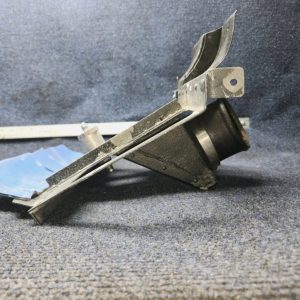
The Cessna 172RG Rear RH Baffle Assembly
The Cessna 172RG Rear Right-Hand Baffle and Cessna 172RG Engine Baffle terms describe related engine-compartment structures, while the exact Cessna read more 172RG Cooling Baffle should remain identified by P/N 2455038-2.
The Cessna Cutlass Engine Baffle and Aircraft Engine Baffle Assembly keywords help qualified buyers locate relevant replacement parts.
The Cessna Engine Cooling Baffle works with other Cessna 172RG Engine Compartment Parts to reduce unwanted air leakage and direct airflow through intended cooling paths.
A Cessna Aircraft Engine Baffle can form part of an Engine Cooling Baffle Assembly, while a Cessna Cutlass Cooling System Part must correspond with the installed aircraft and engine configuration.
Understanding P/N 2455038-2
The seller should provide photographs of identification markings, flanges, holes, brackets, edges, formed contours, and previous repairs.
The buyer should determine whether the assembly is original, repaired, refurbished, fabricated, removed from an aircraft, or offered as an incomplete section.
Understanding Cessna Engine Cooling Airflow
The component should not be considered an isolated panel because its effectiveness depends on the condition of the complete baffle arrangement.
Complete evaluation helps maintenance personnel address the underlying cooling concern.
Cessna 172RG and Cutlass Compatibility
Aircraft-specific verification helps prevent unsuitable substitution and expensive rework.
The replacement baffle should align naturally with surrounding parts and retain required clearances.
Cessna Baffle Flanges and Brackets
Formed contours help the baffle fit around the engine and connect with surrounding cooling-system components.
Unauthorized bending, hammering, heating, grinding, drilling, or trimming can damage the assembly and affect its relationship with adjacent components.
Engine Baffle Condition Evaluation
Paint, oil residue, dirt, and old seal material can conceal findings that require closer review.
Unusual waviness or twisted geometry should be measured rather than dismissed as cosmetic.
Maintaining an Effective Cooling Boundary
Torn, hardened, curled, shortened, oil-soaked, missing, or incorrectly oriented seals can reduce the effectiveness of the cooling system.
Excessively stiff or incorrectly positioned material can interfere with cowling installation or fail to seal properly.
Engine Compartment Contamination Concerns
Aggressive sanding or grinding can remove structural material and complicate assessment.
Protective coatings should be compatible with the material and intended engine-compartment environment.
Cessna Engine Baffle Mounting Condition
Detailed attachment-point inspection supports accurate repair planning.
Fastener type, diameter, grip, spacing, and installation method should correspond with applicable data.
Supporting Components Around the Rear RH Baffle
The complete engine-compartment area should be inspected before parts are ordered.
Clear component control reduces accidental installation of unverified engine-compartment parts.
Inspecting the Complete Cooling System
Missing seals, open gaps, loose cowling, or incorrectly installed neighboring components can affect airflow distribution.
Post-maintenance checks should confirm that the complete installation functions as intended.
Repairing a Damaged Engine Baffle
The decision to repair or replace a damaged baffle depends on crack location, corrosion, deformation, missing material, hole condition, previous repairs, and available technical data.
The completed component should be inspected before installation.
Evaluating a Used Aircraft Cooling Baffle
The commercial value of P/N 2455038-2 depends on verified identity, aircraft applicability, condition, completeness, repair history, seals, brackets, traceability, and included hardware.
Unsupported direct-fit, cooling-performance, or airworthiness claims should be avoided.
Cessna 172RG Baffle Buying Checklist
The buyer should request enough information for qualified maintenance personnel to evaluate the component before purchase.
- Confirm the complete part number, donor-aircraft model, donor serial number, rear right-hand position, engine configuration, modification status, and available traceability.
- Arrange qualified evaluation whenever geometry, material loss, repair quality, or installation suitability remains uncertain.
- Inspect and photograph the assembly immediately after delivery before cleaning, stripping, drilling, bending, repairing, painting, or installation.
Shipping and Storing the Rear RH Baffle
Loose seals and hardware should be bagged, labeled, and secured separately.
Heavy objects should never be stacked on the baffle.
Completing a Rear Baffle Replacement
Any mismatch should be investigated rather than corrected through uncontrolled force or modification.
Protective finishes and seal materials should be compatible with the intended engine-compartment environment.
Ground-operation observations should be completed through suitable procedures without promising a specific temperature improvement.
Long-Term Rear Baffle Inspection
The assembly should receive attention after engine work, cowling damage, abnormal vibration, overheating indications, fluid leaks, or suspected impact.
Wiring, hoses, and controls should not rub against the baffle or create repeated loading.
Selecting a Cessna 172RG Cooling Component
The Cessna 172RG Rear RH Baffle Assembly
Aviation maintenance personnel should evaluate the assembly before repair, alteration, installation, or operational release.
Whether the requirement is a Cessna 172RG Rear Right-Hand Baffle, Cessna 172RG Engine Baffle, Cessna 172RG Cooling Baffle, or Cessna Cutlass Engine Baffle, exact identification should guide the purchase.
P/N 2455038-2 can deliver a professional combination of replacement value, cooling-system relevance, engine-compartment protection, and Cutlass application potential.
Report this page